

Challenge
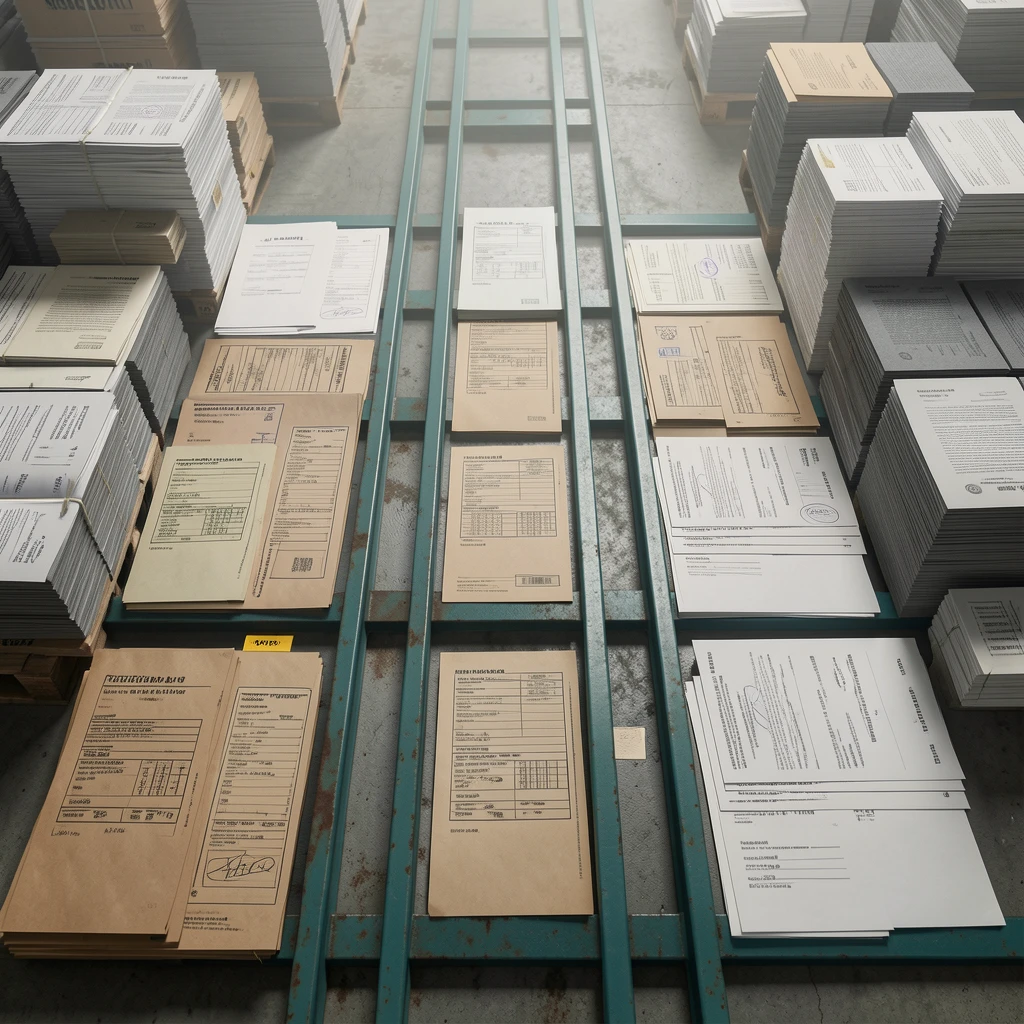
A mid-market freight forwarder had clear pressure from leadership to make AI useful in day-to-day operations, but the actual work still ran through inboxes, attachments, and whoever last touched the shipment file. Coordinators and client-service staff were already using AI privately for email drafting or quick summaries, yet every real handoff still required someone to reconstruct the shipment from booking messages, shipping instructions, commercial invoices, packing lists, and status updates.
The result was predictable drag. Exceptions were harder to triage, missing documents were found too late, and client updates depended too much on who had the patience to read through the entire thread again.
What We Implemented
We rebuilt the shipment workflow as a shared workspace problem, not a personal productivity problem.
That meant putting one usable operating layer around the documents and handoffs the team was already living inside:
- a shared workspace structure for shipment briefs, handoff notes, status context, and draft client updates
- repeatable agent roles for missing-document checks, shipment summaries, exception briefs, and communication drafts
- approved source boundaries around booking emails, shipping instructions, invoices, packing lists, customs-related documents, and internal notes
- review and escalation boundaries so exception-sensitive updates still stopped with the right human owner before going out
- a phased rollout across the operations team so the workspace pattern could stabilize before broader use
Outcomes
Operations stopped doing the same inbox archaeology on every shipment handoff. Context became easier to inherit, missing items were surfaced earlier, and the team had a more reliable starting point when exceptions hit or clients asked for status.
The forwarder also got a cleaner adoption path. AI stopped being a private shortcut used differently by each coordinator and became a shared way to read, summarize, and pass shipment work forward.
Why It Worked
The team did not need another AI tool sitting beside the workflow. It needed the workflow itself to hold together better.
Once shipment context, document checks, and exception handling had one shared workspace layer, the team could move faster without relying on personal memory and inbox hunting to keep files moving.